
The honest answer
Two nights. One night means arriving, dropping bags, and leaving — which usually happens after a long drive from the airport or Kandy, so you see Ella tired. Three nights is better if you want waterfalls or a rest day. Four is only worth it if Ella is genuinely where you want to slow down.
What you can see with limited time
- Nine Arch Bridge — go early, trains pass at irregular times
- Little Adam's Peak — 30–45 minutes up, best at sunrise
- A tea estate walk and factory visit
- Ravana Falls if you are heading south the next day
What a third day adds
Diyaluma Falls, an hour away, with a walk to the upper pool. A longer, quieter hike up Ella Rock with a guide who knows the unmarked final stretch. Or nothing at all — a slow breakfast, laundry, a book by the window.
That last option sounds like a waste until you have had four consecutive driving days.
Using Ella as a base instead
Because the roads out of Ella are slow, some travellers stay three or four nights and day-trip: Diyaluma one day, a tea factory and Haputale the next, Ella's own sights on a rest day. You unpack once, which with families is worth more than another hotel on the list.
How Ella fits in a wider route
Ella is usually the midpoint of a hill-country loop — Kandy or Nuwara Eliya before it, Yala or the south coast after. From Ella, Yala is about two and a half to three hours and Mirissa about three and a half to four and a half with stops.
If you only have a week for the whole island, one night in Ella plus a strong stop elsewhere beats three nights in Ella and no time at the coast.
Season and weather
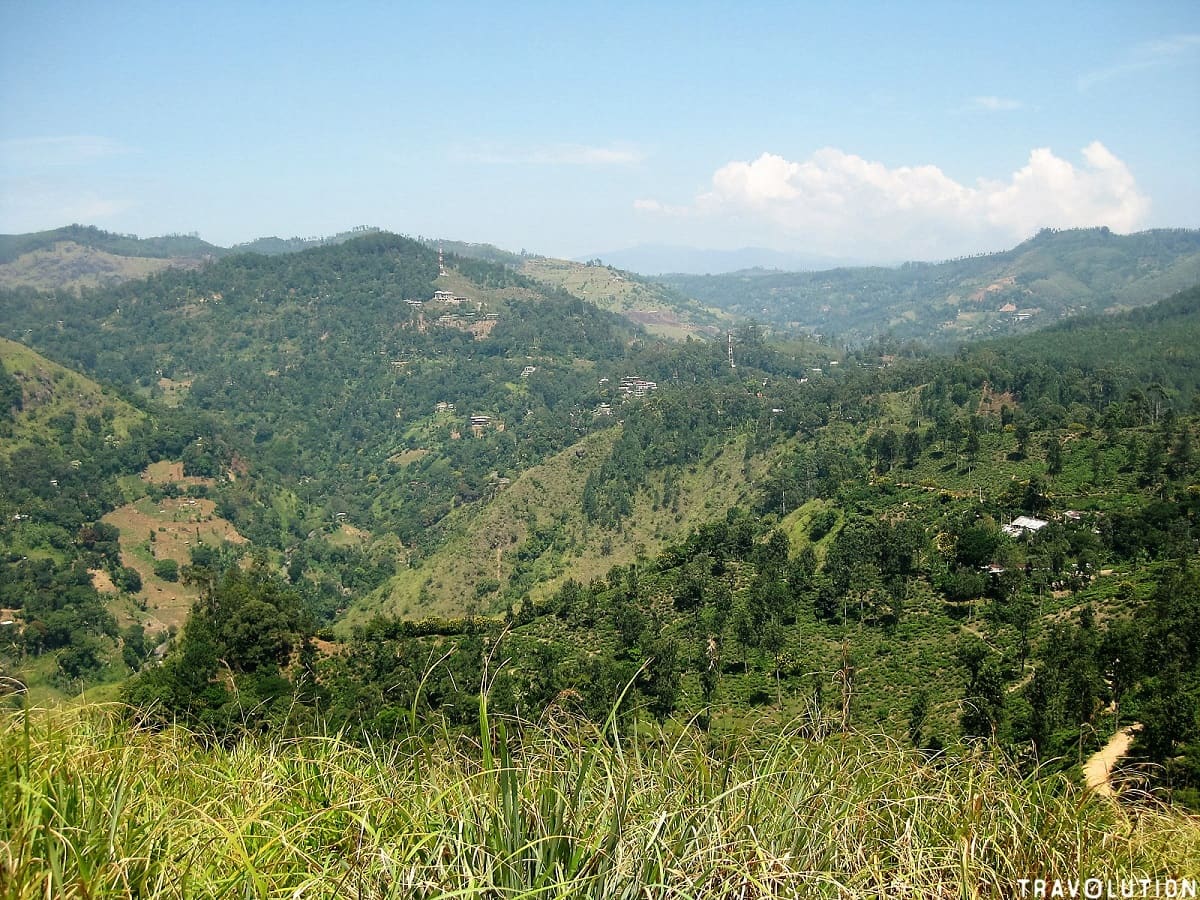
The hill country has its own microclimate: bright mornings can become wet afternoons. Views are most reliable early. December to February is coolest and driest, and also the busiest — book accommodation early either way.
Practical notes
- Accommodation is spread along a slope — check how many steps you will climb with bags
- The town is walkable; a car is needed for everything outside it
- Train timetables change; confirm before building a day around one
- Sunrise is before the cafés open — carry water if you are hiking first